Planning & Seasons
Dry Season or Wet Season? When to Visit Darwin
Compare Darwin’s dry and wet seasons by weather, prices, access, wildlife, waterfalls, events, and the kind of trip each season suits.
Compare Darwin’s dry and wet seasons by weather, prices, access, wildlife, waterfalls, events, and the kind of trip each season suits.
At a glance
- Dry season
- May to October, generally easier outdoor logistics
- Wet season
- November to April, humid with storms and heavy rain
- Shoulder periods
- Conditions shift, so dates are approximate
- Key decision
- Choose for experience style, not temperature alone
What the dry season feels like
The dry season usually brings lower humidity, cooler nights, and the broadest choice of outdoor events and tours. It is the easiest period for a first trip built around markets, day tours, walks, and long drives. It is also the busiest period, so accommodation and popular small-group tours can book out.
Warm daytime conditions still require water and sun protection. The comfortable evenings can disguise how quickly the middle of the day drains energy.
Why travellers choose the wet season
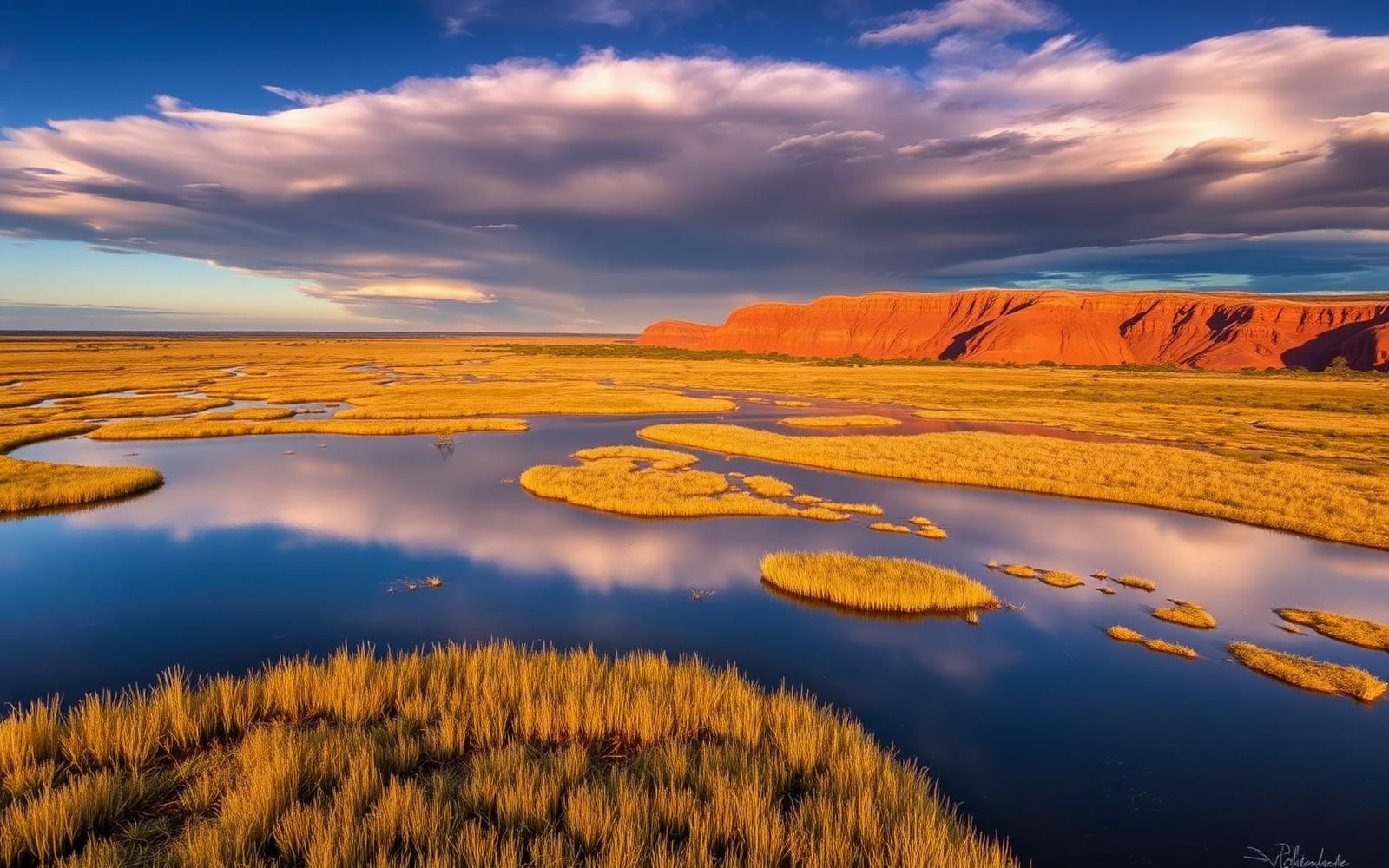
The wet season brings dramatic cloud build-up, lightning, green landscapes, flowing waterfalls, and fewer visitors. Hotel value can improve, and the city feels less scheduled. For photographers and return visitors, the atmosphere can be the main attraction.
The tradeoff is uncertainty. Heavy rain can affect roads, park access, cruises, and flight connections. Build a flexible itinerary with indoor options and do not base the entire trip on one remote road remaining open.
The build-up and transitional months
October and November can be intensely hot and humid before regular rain arrives. April and May can feel more comfortable as the season turns, but park access does not switch on a fixed date. Conditions vary each year.
If your priority is a particular waterfall, road, festival, cruise, or island trip, check that product’s operating window before booking flights.
Choose by trip style
Pick the dry season for the simplest first visit and widest touring range. Choose the wet season for storms, green landscapes, and a slower city-focused trip. In either period, keep one flexible day and use official updates for roads, parks, and severe weather.
Before you go
- Treat season dates as patterns, not guarantees.
- Check cancellation terms when weather is a major factor.
- Plan indoor alternatives for wet-season afternoons.
- Book popular dry-season weekends earlier than midweek stays.
Quick planning sequence
| When | Decision | Why it matters |
|---|---|---|
| Before booking | Confirm the anchor experience | Operating days and access shape the rest of the trip. |
| Three days before | Review weather and official updates | Top End conditions can change transport and access. |
| On the day | Recheck pickup, water, and timing | Small logistical checks prevent missed departures. |